|
|
|||
|
||||
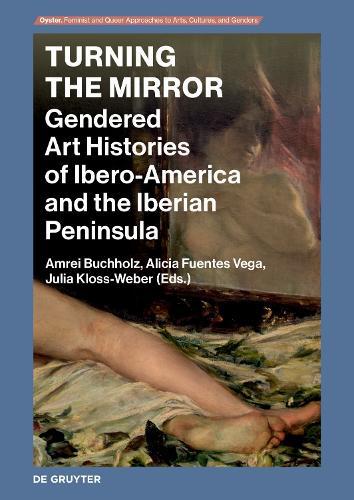
OverviewThis volume investigates the positions of women artists, their institutional frameworks, and the role of other female actors in the art world in Ibero-America and on the Iberian Peninsula from the 19th to the late 20th century, focusing especially on the interweaving of post-/decolonial and feminist approaches. Although women artists could not simply act outside existing power systems, they could mirror them in their works – and thereby challenge them. The overlapping of different regimes of subalternity led to specific strategies of self-empowerment, such as the formation of networks. What role does the fact play that both the Iberian Peninsula and the Ibero-American countries were perceived as a cultural ""periphery"", although they were simultaneously divided by the colonial wound? Full Product DetailsAuthor: Amrei Buchholz , Alicia Fuentes Vega , Julia Kloss-WeberPublisher: De Gruyter Imprint: De Gruyter Edition: New edition ISBN: 9783111182490ISBN 10: 3111182495 Pages: 248 Publication Date: 22 September 2025 Audience: Professional and scholarly , Professional & Vocational Format: Hardback Publisher's Status: Active Availability: In Print This item will be ordered in for you from one of our suppliers. Upon receipt, we will promptly dispatch it out to you. For in store availability, please contact us. Table of ContentsReviewsAuthor InformationAmrei Buchholz, head of the Architectural Archives at the Academy of Arts, Berlin; Alicia Fuentes Vega, assistant professor in art history at Complutense University of Madrid; Julia Kloss-Weber, professor in art history focusing on the early modern period, Paris Lodron University of Salzburg. Tab Content 6Author Website:Countries AvailableAll regions |
||||