|
|
|||
|
||||
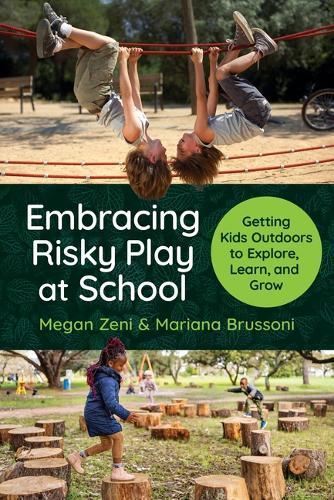
OverviewThis book provides K–8 educators with practical, research-based guidance for implementing—and advocating for!—risky play at school. Children are naturally drawn to risky play—taking physical chances, seeking excitement, and satisfying curiosity—and are more physically active when playing outdoors. Embracing Risky Play at School introduces readers to outdoor play and learning (OPAL) in the kindergarten to middle school years, explains the difference between risks and hazards, presents the concept of “Yes” spaces, and describes how and why risky play supports academic development and student well-being. Zeni and Brussoni, two experts in the field with decades of experience, share research evidence alongside accessible strategies for overcoming common barriers to implementing risky play at school. The Canadian Pediatric Society recommends risky play as a preventative measure for childhood obesity, anxiety, and behavioral issues, and schools have an important role to play in providing access to the unique benefits of risky outdoor play. This book addresses the collective responsibility of adults to support risky play when designing learning environments. Book Features: A clear understanding of what risky play is, and is not, particularly when supervising other people’s children as a professional educator in group learning environments. Guidance for creating conditions and building capacity for risky play in schools, which serves to support the physical, social, emotional, and cognitive growth of children. Links to learning modules that extend chapter content through the authors’ Outside Play website (www.outsideplay.org/). Full Product DetailsAuthor: Megan Zeni , Mariana BrussoniPublisher: Teachers' College Press Imprint: Teachers' College Press ISBN: 9780807783993ISBN 10: 0807783994 Pages: 160 Publication Date: 23 January 2026 Audience: Professional and scholarly , Professional & Vocational Format: Paperback Publisher's Status: Active Availability: Not yet available This item is yet to be released. You can pre-order this item and we will dispatch it to you upon its release. Table of ContentsContents Preface ix Comments From Megan Zeni ix Comments From Mariana Brussoni xi How This Book Is Organized xiii Part I: What Is Risky Play? 1. Why Is Outdoor Play Important for Children? 3 What Happened to Play? 4 What About Recess? From Theory to Practice 6 What Is Outdoor Play and Learning (OPAL)? 7 Systems Change Recommendation 7 Chapter Summary 8 2. Why Is Risky Play Important for Children? 9 Risks Are Different From Hazards: From Theory to Practice 12 Guidelines for All Staff 13 Chapter Summary 16 3. Why Are Outdoor Learning and Risky Play in Schools Important for Children? 17 Engagement With Learning 18 Five Pathways to Mental Health and Well-Being 19 Executive Function 21 Academic Achievement 22 Why Outdoor Risky Play at Home Is Not Enough 23 Risky Play in Schools: From Theory to Practice 24 Introducing Core Instructional Routines 25 Chapter Summary 29 4. Should Schools Worry About Injuries During Risky Play? 30 It’s Safer Than You Think: From Research to Practice 31 Create Yes Spaces for Children’s Risky Play 33 Chapter Summary 36 Part II: Planning for and Implementing Outdoor Risky Play 5. Risky Play and Academic Learning 39 Pedagogical Choices That Support Risky Play 40 Emergent Learning 46 Pedagogies of Place 47 Chapter Summary 48 6. Access to Risky Play in Schools 49 Planning for OPAL 49 Benefit–Risk Assessments 53 When Risks Become Hazards 54 Chapter Summary 55 7. Planning for Risky Play 56 Planning With Core Instructional Routines 56 Gathering Spaces: The Campfire 57 Spaces for Social Learning: The Watering Hole 62 Spaces for Quiet Reflection and Alone Time: The Cave 66 Growing Spaces: Life Spaces 71 Chapter Summary 76 8. School Gardens 77 Risky Play in School Gardens 78 Mud Kitchens 82 Chapter Summary 86 9. Risky Play and Loose Parts 87 Improving Affordances 88 Introducing Yes Spaces and Navigating Consent 93 Navigating Shared Resources 94 The Importance of Time 96 Chapter Summary 97 Part III: Risky Play Issues, Challenges, and Recommendations 10. Perceived and Real Barriers for Risky Play in Schools 101 Safety Is a Feeling 101 What the Research Says About OPAL Barriers 103 Perceived Barriers to Risky Play in Schools 105 Real Concerns to Navigate 110 Chapter Summary 112 11. The Importance of Mentorship 114 Guidelines to Get You Started 115 Chapter Summary 116 12. Risky Play FAQs 117 How Do I Make Time for OPAL? My Day Is Already So Full 117 How Do I Keep the Children on Task? They Think Being Outdoors Is Extra Recess! 118 How Can I Justify to Colleagues That Learning Is Happening When It Looks Like We Play All Day? 119 My Class Is Really Challenging This Year. How Can I Take Them Outdoors? 119 Final Thoughts 120 References 123 Index 137 About the Authors 143ReviewsAuthor InformationMegan Zeni is a researcher and consultant who works with school districts and teacher education faculties to build capacity for outdoor play and learning in the elementary school years. Mariana Brussoni is a professor and developmental psychologist, head of the Outside Play Lab, and director of the Human Early Learning Partnership at the University of British Columbia. Tab Content 6Author Website:Countries AvailableAll regions |
||||