|
|
|||
|
||||
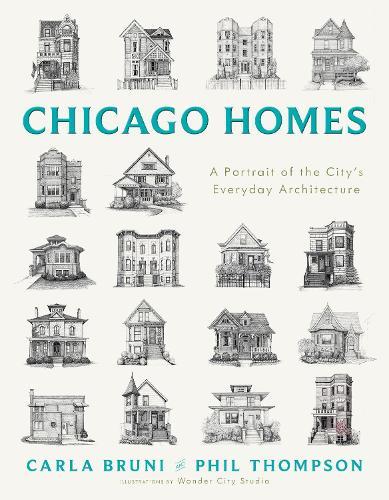
OverviewA comprehensive, first-of-its-kind book about Chicago's residential architecture and the stories that shaped it. This is an entertaining and precisely illustrated story of Chicago homes from the city's earliest days through the Second World War, revealing everything about what makes a home a Chicago home. A city famous for its architecture-and for arguing with New Yorkers about who built it first and best-now has a definitive guide to the unique housing types and styles that have inspired so much devotion. This book is for curious Chicagoans and visitors alike-anyone who's ever wondered how to spot a Foursquare or where to find Italianate homes from before the Great Chicago Fire. Why are Chicago's lots so narrow? How many Chicagoans built homes from a kit? What exactly is a ""greystone""? The authors combine their decades of experience in historic preservation and illustration to create an evergreen resource that Chicagoans and visitors will turn to for answers to these and other questions about the city's neighborhoods and the homes its citizens live in, visit, and admire. Full Product DetailsAuthor: Carla Bruni , Phil Thompson , Wonder City StudioPublisher: Surrey Books,U.S. Imprint: Surrey Books,U.S. ISBN: 9781572843578ISBN 10: 1572843578 Pages: 304 Publication Date: 20 November 2025 Audience: General/trade , General Format: Hardback Publisher's Status: Active Availability: Not yet available This item is yet to be released. You can pre-order this item and we will dispatch it to you upon its release. Table of ContentsForeword Introduction Chapter 1: Early Inhabitants, Early Homes 1780 to 1837 Introduction Little Home on the River Homes of the French Colonial/Creoles The DuSable Home Homes of the Native Americans in the Region Early American Settlers: The Log Cabin The Making of the Chicago Grid New Town, New Gables Abound From Timber to Balloon Frame The Greek Revival Home The Clarke-Ford Home A City by 1837 Chapter 2: From Founding to Fire 1837 to 1871 Introduction Homes for a Booming Metropolis Building Materials The Pre-Fire Homes Still with Us Interior Spaces in the mid-1800s Heating and Cooling, Lighting, Plumbing The Pre-Eminent Workers Cottage House Moving | House Raising The Ornate Cottages and Rowhouses of Chicago (pre-1871) Italianate Second Empire Pre-Fire Homes in the Former “Suburbs” Chapter 3: Rising and Rebuilding 1871 to 1882 Introduction Fire Limits and Regulation Decline of Pine, Uptick of Brick Joliet Limestone, “Athens Marble” Post-Fire Patterns of Population Growth The Post-Fire Limits, Pre-Annexation Homes of the “Suburbs” Architecture as a Profession The Dominant Style of the Era The Brick Workers Cottage The Rise of “Flats” Buildings Two-Story and Wood-frame Italianates Chapter 4: Annexation and Elevation 1882 to 1893 Introduction Bold New Architecture in Chicago Raging Styles New Heights The Apartment Hotels and the First Courtyard Building Terra Cotta Finds Its Moment The Real Estate Developers Company Towns, Company Housing Annexation and the Changing Fire Limits City Lights, City Heats Italianate, continued Chateauesque Stick Style | Shingle Style Chapter 5: White City, Blight City 1893 to 1900 Introduction The World’s Columbian Exposition Sidebar: Clarifying Windows Beaux Arts/Classical Revival Romanesque Revival (and Interment) Chateauesque Farewell to the Queen (Anne) Colonial Revival Greystones + Brick Flats Workers Cottages Just Keep on Working Sidebar: Working Class Domestic Life Courtyard Apartment Buildings Prairie Style American Foursquares Tudor Revival Sidebar: Coach Houses Chapter 6: New Century, New Chicago 1900 to 1917 Introduction Adapting The Workers Cottage Burnham’s 1909 Plan of Chicago Frame and Stucco Bungalows Chicago Bungalows Sears Home Catalogs Tudor Revivals Colonial Revivals Greystones Prairie Style Homes American Foursquares Bleak Housing Conditions and Tenement Reform Courtyard Apartment Buildings Brick Two-Flats and Variations on a Theme The Back Porch Chapter 7: Death, Speed, and a Bit of Whimsy 1917 to 1929 Introduction Chicago Bungalows Brick Two-Flats and Variations on a Theme Courtyard Apartment Buildings The “Own Your Own Home” Movement Tudor Revivals Colonial Revivals Spanish Revivals Foursquares Homes for Cars Art Deco Chapter 8: Hard Times, New Deals, and a Century of Progress 1929 to 1941 Introduction The National Mortgage Crisis Redlining Lingering Chicago Bungalows Tudor Revivals World’s Fair 1933 West Burton Place and the Creative Response to the Depression Art Deco and Moderne Chapter 9: Common Modifications to Homes: How We Really Live Introduction Dormer and Second Story Additions Enclosed Porches Metal Awnings Perma-Stone / Formstone Removing + Hiding Fireplaces and Stained Glass Vinyl Siding Glass Block + PIcture Windows Raised Workers Cottages Metal Hand and Porch Rails Street- or Courtyard- Facing Metal Balconies Overlord Additions EpilogueReviewsAuthor InformationCarla Bruni has spent close to twenty years preserving, studying, and writing about historic architecture across dozens of US cities and four continents. She teaches graduate students at the School of the Art Institute of Chicago, where she holds a master of science degree in historic preservation. She has been a recurring guest discussing architecture and environmental issues on WGN Radio, and her work has been featured by StoryCorps Chicago, WLS, NPR, PRX, the Chicago Reader, Chicago Tonight, Chicago magazine, and various national and international publications. She also works to support the 30,000+ members of the Chicago Bungalow Association, overseeing energy efficiency retrofits, creating history and home maintenance resources, and leading the charge to list thousands of vintage homes in the National Register of Historic Places. Her professional involvement in community repair and revitalization has taken her to every corner of Chicago, her native city. Phil Thompson is the cofounder and illustrator behind Wonder City Studio (wondercitystudio.com), a company dedicated to creating artwork of the places worth preserving, with a special love for Chicago. For ten years, he has captured more than a thousand homes and buildings with his pen-and-ink illustrations. His work has been featured in dozens of media outlets, including the Chicago Tribune, Chicagoist, Curbed, Business Insider, and Chicago magazine. Clients have included the University of Chicago, Northwestern University, and the Chicago Architecture Center, among others, and his prints are sold at seventeen retail locations throughout the city. Tab Content 6Author Website:Countries AvailableAll regions |
||||